
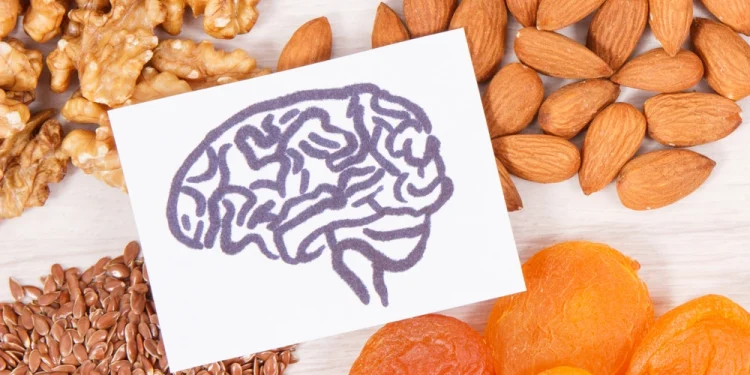
The human body is incredibly interconnected, and one of the most fascinating partnerships inside it is the relationship between your gut and your brain. For a long time, science treated them as completely separate systems. Today, we know they are constantly talking to each other—and that conversation has a massive impact on how you feel both physically and mentally.
What Exactly Is the Gut-Brain Axis?
Think of the gut-brain axis as a direct, two-way communication hotline. It connects your central nervous system (your brain and spinal cord) with your enteric nervous system (the web of nerves lining your digestive tract).
Because your gut has its own complex nervous system, scientists often call it your “second brain.” This network is constantly trading data with your actual brain, influencing everything from your daily digestion to your mood.
The Chemistry: Neurotransmitters and Hormones
Your gut doesn’t just digest food; it’s a chemical factory.
-
The Mood Regulators: Neurotransmitters are the chemical messengers that allow your brain cells to talk to each other. Interestingly, a huge chunk of your body’s serotonin—the hormone responsible for stabilizing your mood and feelings of happiness—is actually manufactured in your gut. Your digestive system also helps produce dopamine and GABA, which play major roles in motivation, pleasure, and anxiety management.
-
The Appetite Links: The gut-brain axis also releases hormones like ghrelin. While ghrelin is famous for telling your brain “I’m hungry,” it also directly impacts your stress levels and cognitive focus.
How Your Gut Shapes Your Health
1. Mental Health & Mood
There is a massive link between gut health and mental well-being. When the community of bacteria in your digestive system (your microbiome) gets out of balance, it can trigger signals that contribute to anxiety, depression, and chronic stress. On the flip side, a healthy microbiome produces beneficial byproducts, like short-chain fatty acids, that actually shield and protect your brain.
2. Inflammation and Immunity
Your gut is home to a massive portion of your immune system. If your gut lining is irritated or your microbiome is out of sync, it can trigger systemic inflammation. Over time, scientists believe this chronic inflammation can travel up the pipeline and play a role in complex neurological conditions, including Alzheimer’s and Parkinson’s.
3. Brain Power and Memory
The gut’s influence extends straight into your cognitive abilities. Emerging research shows that a healthy, diverse microbiome actively supports brain function, including how quickly you learn new things and retain memories. In fact, scientists are currently looking into whether treating the gut could be a viable way to treat cognitive disorders in the future.
Simple Ways to Take Care of Your “Second Brain”
Keeping this system running smoothly doesn’t require a radical overhaul. A few foundational lifestyle shifts can make a world of difference:
-
Eat for your bacteria: Feed your good gut bugs by eating plenty of fiber, prebiotics (like garlic, onions, and bananas), and fermented foods (like yogurt, kefir, or kimchi).
-
Manage your stress: Because the communication goes both ways, high stress immediately upsets your stomach. Practices like deep breathing, meditation, or just winding down can physically calm your digestive tract.
-
Keep moving: Regular, moderate exercise actively promotes a wider diversity of healthy gut bacteria.
The Bottom Line
Taking care of your gut isn’t just about avoiding a bloated stomach. Because your gut and brain are so deeply intertwined, nurturing your digestive system is one of the most effective ways to protect your mental clarity, mood, and long-term brain health. True health is holistic, and listening to your gut is the perfect place to start.